A laboratory oven may reach the required temperature and still be unsuitable for a sample. Heated air can promote oxidation, uncontrolled drying may affect moisture-sensitive materials, and excessive heat can cause thermal decomposition.
Selecting an oven starts with understanding the sample and process—not just the temperature range. Laboratories must consider the sample’s sensitivity to oxygen, moisture and heat, along with required process conditions, capacity, calibration, installation and maintenance.
This guide compares five laboratory oven types and explains how to match them to sample chemistry. It also outlines the technical, quality and site requirements to discuss with a laboratory equipment supplier in Singapore before purchasing.
Key Takeaways
- Oven selection depends on the type of sample degradation that must be prevented, such as oxidation, moisture loss or thermal decomposition.
- Vacuum ovens reduce exposure to air and support low-temperature drying, while inert-atmosphere ovens replace air with a controlled gas to protect oxidation-sensitive samples.
- Convection ovens suit samples that can tolerate air exposure, while heat-sensitive materials may require carefully controlled temperature ramps or vacuum drying.
- Calibration and validation requirements depend on the application, test method and regulatory environment. Confirm these requirements before purchasing.
- Electrical supply, ventilation, gas requirements, installation and after-sales support should be assessed alongside the oven’s technical specifications.
What Must the Oven Prevent?
Identify the main risk during heating or drying before comparing oven models.
| Sample or process concern | What can go wrong | Oven features to assess |
| Oxidation-sensitive materials | Reaction with oxygen during heating | Vacuum capability or a controlled inert atmosphere |
| Moisture-sensitive materials | Unwanted moisture uptake, loss or uneven drying | Vacuum drying or controlled-humidity capability, depending on the method |
| Heat-sensitive compounds | Decomposition or changes in material properties | Accurate temperature control, suitable operating range and programmable heating |
| Samples requiring defined humidity | Changes caused by uncontrolled moisture conditions | Controlled-humidity operation |
| Multiple processes with different requirements | A single operating mode may not meet every method | Combination capability or separate dedicated ovens |
These are starting points, not automatic equipment prescriptions. For example, vacuum can reduce exposure to air, but it does not guarantee that a material will remain chemically stable. Likewise, an inert gas can limit oxygen exposure, but the appropriate gas, purity and allowable oxygen level depend on the sample and process. Where published data exists for a compound, thermochemical references such as the NIST Chemistry WebBook can provide decomposition and thermal-property data to support the assessment.
Before comparing models, document the sample’s temperature limits, moisture behaviour, sensitivity to oxygen, batch size and required process conditions. Where a standard test method or validated procedure applies, its requirements should guide the selection.
Five Types of Laboratory Ovens
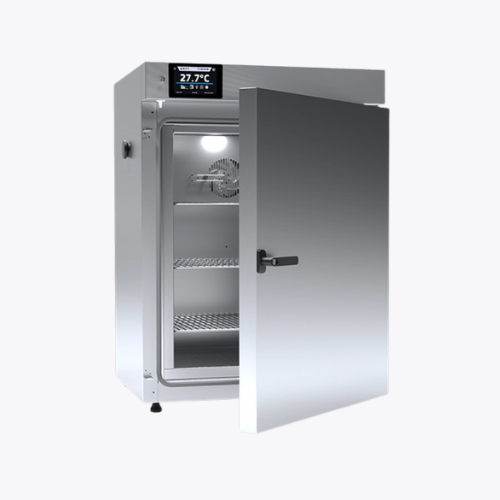
Laboratory ovens differ in heating method, chamber atmosphere and environmental controls. The right design depends on the conditions needed to preserve sample integrity and achieve consistent results.
1. Convection Ovens (Air Circulation): For Routine Heating and Drying
Convection ovens use electrical heating to warm the chamber and circulate heated air. Depending on the model, air moves through natural circulation or a fan-assisted system. Heat distribution depends on the oven design, sample arrangement, chamber loading and operating conditions.
Suitable for:
- Routine drying of compatible glassware
- General sample preparation
- Heating non-reactive materials
- Processes where exposure to heated air is acceptable
Key selection factors:
- Required operating temperature and temperature uniformity
- Natural or forced-air circulation
- Chamber capacity and airflow around loaded samples
- Temperature control and recording features required by the method
- Compatibility of the sample with oxygen exposure
Main consideration: Heated air contains oxygen, which may react with materials at elevated temperatures. Oxidation behaviour depends on material composition, temperature and exposure duration. Confirm that the sample can tolerate both the selected temperature and the chamber atmosphere.
2. Vacuum Ovens: For Reduced-Pressure Drying
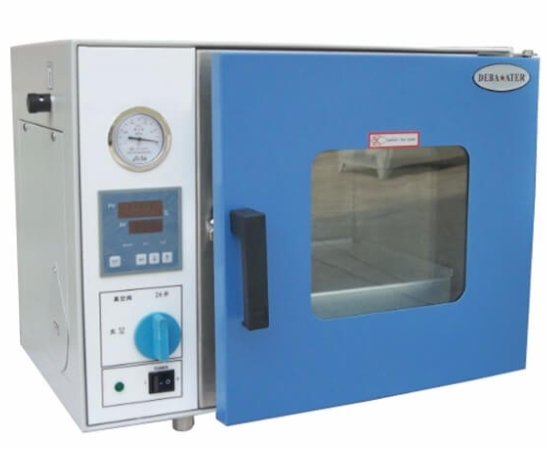
Vacuum ovens use a pump to reduce pressure inside a sealed chamber. Lower pressure can reduce the boiling temperature of liquids and support moisture or solvent removal at lower temperatures than may be needed at atmospheric pressure. Actual drying performance depends on the sample, solvent, pressure, temperature, load and equipment design.
Suitable for:
- Some hygroscopic powders
- Samples containing volatile components
- Certain heat-sensitive materials
- Processes where reduced-pressure drying is permitted by the method
Key selection factors:
- Required vacuum level and the oven’s ability to maintain it
- Compatibility of chamber materials and seals with the sample or solvent
- Vacuum-pump type, maintenance needs and exhaust arrangements
- Temperature range, uniformity and control
- Need for an additional purge or atmosphere-control function
Main consideration: Vacuum can reduce exposure to air but does not prevent every form of oxidation or degradation. Some materials may still decompose at unsuitable temperatures or behave differently under reduced pressure. Select operating conditions based on material-specific data and the intended method. Include pump servicing, leak checks and suitable exhaust management in the operating plan.
3. Inert-Atmosphere Ovens: For Protection from Air
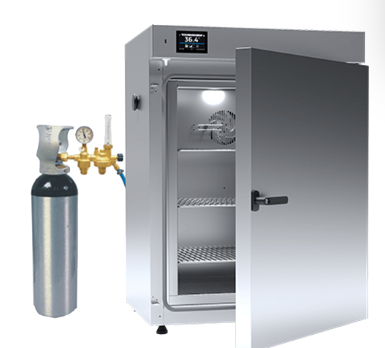
Inert-atmosphere ovens use a controlled gas supply, commonly nitrogen or argon, to displace air in the chamber and limit oxygen exposure. The atmosphere achieved during operation depends on gas purity, chamber design, purging procedures, leakage and monitoring.
Suitable for:
- Selected oxidation-sensitive metals and alloys
- Certain sulfide materials
- Some organometallic compounds
- Battery-related materials that require a controlled atmosphere
Key selection factors:
- Required gas type, such as nitrogen or argon
- Gas purity and allowable oxygen or moisture levels
- Purge arrangements, flow control and atmosphere monitoring
- Gas consumption and continuity of supply
- Exhaust routing, gas-cylinder storage and workplace safety controls
Main consideration: An inert atmosphere can limit oxygen exposure, but the required gas and operating conditions depend on the material and process. Confirm the sample’s sensitivity and allowable oxygen and moisture levels before selecting a system. Inert gases can displace oxygen and create an asphyxiation hazard if released into poorly ventilated areas. Assess gas storage, regulators, connections, exhaust and leak-response procedures with the laboratory’s facilities and safety teams.
4. Controlled-Humidity Ovens: For Defined Moisture Conditions
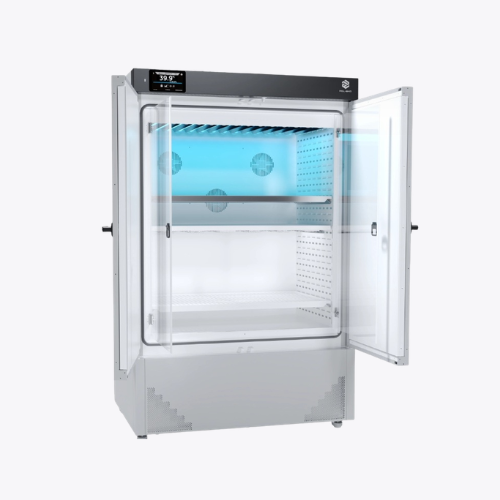
Controlled-humidity ovens regulate temperature and relative humidity inside the chamber. Depending on the model, the system may humidify, dehumidify or otherwise condition the environment to maintain specified conditions.
Suitable for:
- Stability studies with defined humidity conditions
- Food testing methods that specify controlled humidity
- Materials testing procedures that require controlled moisture exposure
Key selection factors:
- Required temperature and relative-humidity ranges
- Control accuracy, stability and uniformity under the intended load
- Humidity-sensor calibration and maintenance arrangements
- Water quality and supply requirements, where applicable
- Data recording and alarm functions required by the method
Main consideration: Temperature alone may not define the conditions a sample needs to withstand. Relative-humidity changes can affect moisture content, stability and other material properties. For pharmaceutical products, follow the applicable stability protocol and product requirements. Stability storage conditions for drug substances and products are defined in internationally harmonised guidance, and the ICH quality guidelines set out the temperature and humidity conditions commonly referenced for stability studies, such as long-term and accelerated testing regimes.
Confirm that the oven can achieve the required conditions at the intended temperature and sample load, and that its control and measurement systems can be verified as required.
5. Combination and Hybrid Ovens: For Multiple Process Requirements
Combination or hybrid ovens bring together more than one operating capability, such as vacuum and inert-gas operation. Available modes and whether they can be combined during a process vary by model.
Suitable for:
- Shared research facilities with varied applications
- Multi-method laboratories requiring different chamber environments
- Workflows where more than one heating or drying approach is needed
Key selection factors:
- Available operating modes and whether they can run together
- Temperature and atmosphere specifications for each mode
- Control, monitoring and safety functions under each operating condition
- Maintenance needs for each subsystem
- Whether one combination unit or separate dedicated ovens better suits the workload
Main consideration: Multiple features do not automatically make an oven suitable for every application. Each mode and transition between modes must meet process requirements. Combination systems may require more complex installation, operation and maintenance. Compare their flexibility with the possibility that a subsystem failure could affect several processes. Dedicated ovens may be preferable for applications with incompatible requirements.
Matching Oven Types to Sample Chemistry
Use three questions to narrow the options: what could compromise the sample, which condition must the oven control, and how will the process be verified? The table below is a screening guide; confirm the final selection against the specific material, process and test method.
| Sample or material group | Main concern | Oven types to assess | Selection note |
| Metals, alloys and sulfides | Oxidation or atmosphere-sensitive changes | Inert-atmosphere or suitable vacuum oven | Confirm required oxygen and moisture limits. |
| Ceramics, glass and stable oxides | Temperature exposure and thermal stress | Convection oven with suitable temperature control | Check heating profile and temperature-uniformity requirements. |
| Organometallic and reactive materials | Reaction with oxygen or moisture | Suitable inert-atmosphere or vacuum system | Confirm chemical compatibility and required atmosphere. |
| Pharmaceutical ingredients and excipients | Moisture change or thermal degradation | Vacuum or convection oven; controlled humidity where specified | Follow material-specific procedures and applicable quality requirements. |
| Foods and biologics | Moisture loss, degradation or method-specific conditions | Convection or controlled-humidity oven | Follow the test method and sample-stability requirements. |
| Hair, fibres and trace evidence | Thermal alteration and contamination | Validated convection or vacuum method, where appropriate | Prioritise evidence integrity and documented handling procedures. |
The same material group may require different oven types depending on the process. For example, a powder may need routine drying in a convection oven, while a heat-sensitive or oxidation-sensitive formulation may require reduced pressure or a controlled atmosphere. The method and sample properties should determine the final choice.
Laboratories performing regulatory food testing in Singapore should also note that the Singapore Food Agency operates a Laboratory Recognition Programme, which sets requirements for laboratories carrying out specific food analyses, so equipment capability and documentation should be assessed against those requirements where applicable.
Laboratory Oven Buying Checklist
Use this checklist with laboratory users, procurement, facilities, quality teams, and your laboratory oven supplier to confirm all requirements before selecting a suitable model.
| Checklist item | What to confirm |
| Sample and process | Sample chemistry, moisture sensitivity, oxidation risk, thermal limits and the intended method |
| Oven type | Whether convection, vacuum, inert atmosphere, controlled humidity or combination capability is required |
| Capacity and workload | Chamber volume, batch size, sample arrangement, frequency of use and expected loading |
| Performance | Operating temperature, uniformity, control accuracy, heating profile and any atmosphere or humidity specifications |
| Monitoring and records | Required alarms, data logging, calibration, verification and documentation |
| Utilities and site | Electrical supply, ventilation, exhaust, gas supply, access and installation space |
| Quality requirements | Applicable test method, quality-system controls, qualification or validation needs |
| Safety | Material compatibility, hot-surface risks, gas handling, exhaust and site risk controls |
| Service and maintenance | Warranty, preventive maintenance, spare-parts sourcing, technical support and service arrangements |
| Installation and handover | Delivery, installation, commissioning, user training, documentation and acceptance criteria |
| Total operating cost | Energy, gas, pump maintenance, calibration, consumables, servicing and possible downtime |
A specification comparison is most useful when each supplier is responding to the same application requirements. Where a requirement is essential, such as a defined oxygen level, humidity range or temperature uniformity, ask the supplier to identify the relevant specification and explain how it is verified. Site checks should also cover regulatory obligations where flammable solvents or materials are involved, since the SCDF’s petroleum and flammable materials licensing framework controls the storage of such materials and can affect where and how an oven may be installed.
Selecting an Oven for the Work It Needs to Do
The right laboratory oven equipment provides the conditions required by the sample and process while meeting the laboratory’s capacity, quality and site requirements. Convection, vacuum, inert-atmosphere, controlled-humidity and combination ovens each serve different heating needs, so selection should be guided by the material and intended application.
To compare equipment effectively, translate the method into clear specifications, including temperature performance, atmosphere, humidity, capacity, monitoring, installation and maintenance. Laboratories operating under a formal quality management system, such as one aligned with the ISO 9000 family of standards, can incorporate these specifications into their existing purchasing and verification controls. These requirements also provide a consistent basis for evaluating supplier quotations.
Green Research Scientific can help laboratories assess oven configurations against their applications and operating requirements. Contact our team with your sample type, method and key specifications, and we will run them through the Sample-Risk Screen and return the Oven Brief fields still to be confirmed.
Frequently Asked Questions
Can I use a convection oven for oxidation-prone samples?
A convection oven exposes samples to heated air and may not be suitable when oxidation must be prevented. Vacuum ovens reduce exposure to air, while inert-atmosphere ovens replace air with a controlled gas. The appropriate choice depends on the sample’s sensitivity and the atmosphere required by the process.
What is the difference between an oven and a furnace?
Laboratory ovens are commonly used for drying, heating and other processes within their specified operating range. Furnaces are designed for higher-temperature applications, such as certain sintering, ashing and heat-treatment processes. The suitable equipment depends on maximum temperature, atmosphere, heating profile and sample requirements.
How often should a laboratory oven be calibrated?
Calibration frequency depends on intended use, test method, quality system, regulatory requirements and equipment performance. Some laboratories specify annual calibration, while others use different intervals based on risk and documented evidence. Follow laboratory procedures and manufacturer guidance, and arrange additional checks if performance concerns arise.
Which type of laboratory oven is suitable for heat-sensitive samples?
The suitable oven depends on how the sample responds to heat, oxygen, moisture and pressure. A vacuum oven may support drying at a lower temperature, while a convection oven may be suitable when the sample tolerates air exposure and the process conditions. Review material-specific information and the intended method before choosing.